
What is a visual schedule?
A visual schedule shows what is going to happen using pictures instead of — or as well as — spoken words. Words disappear as soon as they are said; a picture stays where a child can look at it again, point to it and come back to it when they are unsure.
Visual schedules range from a single card showing two activities to a full timetable for the day. They are used in homes, nurseries, classrooms and therapy sessions, and many children find them helpful: autistic children, children who have ADHD, children whose speech and language is still developing, and young children generally, especially at moments of change.
Now and Next and First/Then boards
The simplest visual schedule has just two parts. One side shows what is happening now; the other shows what comes next. That is a Now and Next board. Teachers and therapists often call the same idea a First/Then board — “first shoes, then park”. The wording differs; the idea does not.
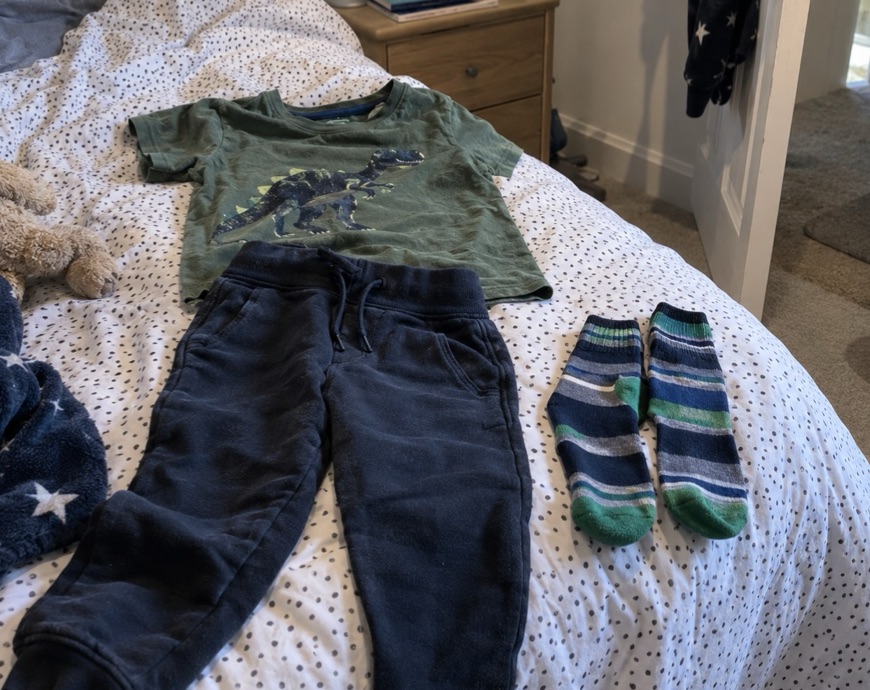 Get Dressed
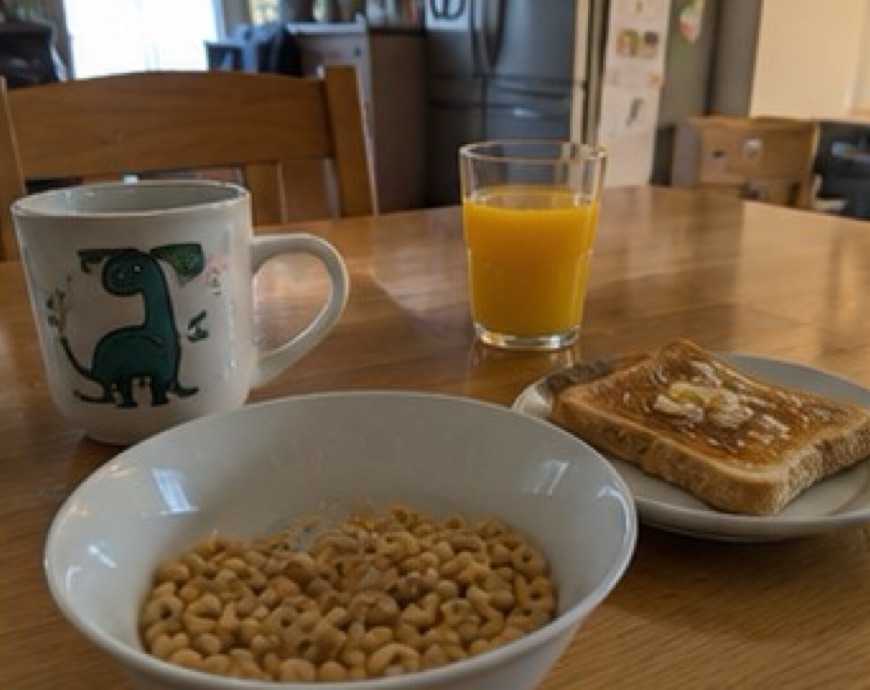 Breakfast
A two-step board works well because it asks very little. A child does not have to hold a whole morning in mind — only the thing in front of them and the one after it. It is particularly useful for:
- transitions, such as leaving the park or switching off a screen;
- getting through a less-preferred task by showing what follows it;
- unfamiliar situations, where knowing the very next step is reassuring.
Board or visual timetable?
A visual timetable shows a longer sequence — a morning routine, a school day or a trip — usually as a row or column of pictures in order. It answers “what is happening today?” rather than “what happens after this?”.
| Now and Next / First/Then | Visual timetable | |
|---|---|---|
| Shows | Two steps | A sequence of several steps |
| Best for | One transition, one task, a quick reassurance | Routines and whole days |
| Asks of the child | Very little — this, then that | Following a longer plan |
| Good starting point? | Yes | Often after a two-step board is familiar |
The two work together. Many families and classrooms keep a timetable for the day and take a Now and Next card out for the moments that are hardest.
How to introduce a Now and Next board
- Start when things are calm. Introduce the board at an easy moment rather than in the middle of a difficult one, so it becomes familiar before it is needed.
- Make “Next” something they want. For the first few times, put a favourite activity second: “Now shoes, next park.” Seeing the board lead to something good builds trust in it.
- Point and say it. Touch each picture as you say it, using the same short words every time.
- Always follow through. If the board says park, go to the park. A board that is not reliable quickly stops being useful.
- Move it on. When “Now” is finished, show that it is done and make “Next” the new “Now”.
- Build up gradually. Once the two-step board is understood, try it for less-preferred activities, then add more steps to make a short routine.
Use the words your child already hears. If school says “First” and “Then”, use those at home too — consistency between settings matters more than which words you choose.
Photos or illustrations?
Both can work, and many people use a mix.
- Photos of the real thing — your child’s own toothbrush, their school gate, the actual park — leave no room for doubt and suit children who take pictures very literally.
- Illustrations or symbols are quick to use, look consistent and work for general activities such as “breakfast” or “bedtime”.
Whatever you choose, keep each activity’s picture the same over time so it becomes instantly recognisable, and label it with the word you actually say.
Examples for home and school
Morning routine
Now: get dressed. Next: breakfast. Later, as a timetable: wake up, toilet, get dressed, breakfast, brush teeth, shoes and coat, school.
Leaving somewhere they enjoy
Now: playground. Next: car. Showing the card a few minutes before leaving gives warning that a change is coming.
At school or nursery
Now: phonics. Next: break time. A classroom visual timetable for the whole day can sit alongside an individual Now and Next card for a child who needs it.
Appointments and unfamiliar days
Now: dentist. Next: home. Photos of the waiting room or the building, taken in advance, can make a new place feel more predictable.
Bedtime
Now: bath. Next: story. As a timetable: bath, pyjamas, brush teeth, story, bed.
Offering choices with visual choice boards
Pictures also help with choosing. Instead of an open question such as “what do you want to do?”, show two or three pictures — milk or water, park or garden, which story — and let your child point to choose one. A small, visual choice is often easier than a spoken one, and it gives a child some control within the routine. A visual choice board helps someone choose which activity to do; a Now & Next Card shows the sequence of activities. In the app, Choice Cards offer two or three activities to choose one.
Using the Now and Next app
Now and Next is a visual schedule app for iPhone and iPad that does all of the above on the device you already carry.
- Now and Next cards: choose two activities and the card is ready. Change “Now” and “Next” to “First” and “Then”, or any wording you use.
- Choice Cards: show two or three activities and let the person choose one, such as reading a book or playing outside.
- Time Line: put cards in order as a visual timetable. Each card shows for as long as you set, then moves on by itself.
- Pictures: over 60 built-in activities, plus your own photos with your own words.
- Spoken activities: tap an activity to hear it read aloud.
Use Lite free, or buy the full app. Now and Next Lite 1.14 onwards is free with no adverts and limits on cards and custom activities. An optional one-off purchase inside Lite unlocks more capacity and backup. The full app is a one-time purchase with no subscription, and Family Sharing for up to six family members.
This guide shares general, practical ideas from everyday use. It is not professional advice. If your child is supported by a teacher, SENCo or speech and language therapist, follow their approach and use the same wording at home.